


Life with Braces
Life with Braces | Types of Braces | Invisalign® | In-Ovation
Types of Appliances | Braces Diagram | Oral Care Video | Retainers
Emergency Care
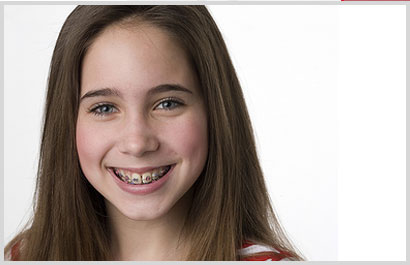
Eating with Braces
What can you eat? Let's talk about what you shouldn't eat! For the first day or so, stick to soft foods. Avoid tough meats, hard breads, and raw vegetables. Before long, you'll be able to eat normally again, but you'll need to protect your orthodontic appliances when you eat for as long as you're wearing braces.
Foods to Avoid
- Chewy foods: bagels, hard rolls, licorice, jerky
- Crunchy foods: popcorn, ice, tortilla chips
- Sticky foods: caramels, gum
- Hard foods: nuts, candy
- Foods you have to bite into: corn on the cob, apples, carrots (these foods should be chopped into little pieces and eaten in smaller bites)
- Chewing on hard things (for example, pens, pencils or fingernails) can damage the braces. Damaged braces will cause treatment to take longer.
General Soreness
When you get your braces on, you may feel general soreness in your mouth and teeth may be tender to biting pressures for the first week or so. This can be relieved by rinsing your mouth with a warm saltwater mouthwash. Dissolve one teaspoonful of salt in 8 ounces of warm water, and rinse your mouth vigorously. If the tenderness is severe, take ibuprofen or whatever you normally take for headaches. The lips, cheeks and tongue may also become irritated for one to two weeks as they toughen up and become accustomed to the surface of the braces. You can put wax on the braces to lessen this. We'll show you how!
Loosening of Teeth
This is to be expected throughout treatment. Don't worry! It's normal. Teeth must loosen first so they can be moved. The teeth will again become rigidly fixed in their new – corrected – positions.
Loose Wire or Band
Don't be alarmed if a wire or band comes loose. This happens occasionally. If wire protrudes and is irritating, use a blunt instrument (back of a spoon or the eraser end of a pencil) and carefully, gently push the irritating wire under the archwire. Simply get it out of the way. If irritation to the lips or mouth continues, place wax or wet cotton on the wire to reduce the annoyance. Call our office as soon as possible for an appointment to check and repair the appliances. If any piece comes off, save it and bring it with you to the office.
Care of Appliances
To successfully complete the treatment plan, the patient must work together with the orthodontist. The teeth and jaws can only move toward their corrected positions if the patient consistently wears the rubber bands, headgear or other appliances as prescribed. Damaged appliances lengthen the treatment time.
Brushing
It's more important than ever to brush and floss regularly when you have braces, so the teeth and gums are healthy after orthodontic treatment. Patients who do not keep their teeth clean may require more frequent visits to the dentist for a professional cleaning. Adults who have a history of gum disease should also see a periodontist during orthodontic treatment. We will show you how to thoroughly clean your braces when we put them on. The teeth, braces, and gums should be cleaned at least three times each day. Cleaning involves more than just brushing. We will give you additional tools to clean below the braces and wires and between the teeth. It takes time and effort to keep teeth clean, but the result is a spectacular, healthy smile!
Athletics
If you play sports, it's important that you consult us for special precautions. A protective mouth guard is advised for playing contact sports. In case of any accident involving the face, check your mouth and the appliances immediately. If teeth are loosened or the appliances damaged, phone at once for an appointment. In the meantime, treat your discomfort as you would treat any general soreness.
Expanders
When turning the expander, make sure the key is in the hole and that it is turned toward the arrow (toward the back of the mouth). If you are unable to keep your scheduled appointment, stop turning the expander.
Elastics (Rubber Bands)
Wear rubber bands as instructed because the rubber bands work far more efficiently if they are worn as prescribed (most of the time this means 24 hours/day 7 days/week). Forgetting or neglecting to wear your rubber bands, even for one day, will allow the teeth to drift back to their previous positions. This will extend your treatment time significantly. Rubber bands can be worn while you eat. This takes some time to get used to, but helps your teeth move faster.
During the first few days of using the elastics your teeth will be sore, but as soon as the teeth get used to the new pressure, the soreness will disappear. As long as you continue to wear your elastics, the teeth will not be sore again. However, if you don’t wear your elastics all day, every day, you may experience the one to two days of soreness again.
Make sure you have enough elastics before you leave the office. Take as many packs as you need. If you run out or lose them, come in and pick some up or call our office and we will mail some to you.
Brushing Your Teeth with Braces
When you have braces it's very important to brush and floss after every meal in order to keep your teeth and gums healthy throughout your treatment. If you need help choosing the right toothbrush, toothpaste, and dental floss, please ask us and we can help you choose the right products for your teeth and your appliance.
Please read through the short clips below for proper brushing and flossing instructions.
Brushing: Step 1
Using a dry brush with a small amount of toothpaste place bristles where gums and teeth meet.
Brushing: Step 2
For 10 seconds on each tooth use circular, vibrating motions around the gum lines.
Brushing: Step 3
Every tooth of both arches should be brushed slowly.
Brushing: Step 4
Brush the lower teeth from the gum line up and the upper teeth from the gum line down. Brush the roof of your mouth and your tongue too!
Flossing: Step 1
Carefully thread unwaxed floss between braces and wire. You may find a floss threader helpful.
Flossing: Step 2
Carefully floss around the braces.
Flossing: Step 3
Carefully floss around the gum areas.
Flossing: Step 4
Carefully floss around each tooth.
Playing Sports with Braces
Game, Set, Match - we have great news for athletes! You can still play sports even while undergoing orthodontic treatment! If you do play sports, it's recommended that you wear a mouthguard in order to protect your teeth and your appliance. Let your doctor know if you need help finding the right mouthguard for the best protection.
In case of a sports emergency, be sure to immediately check your mouth and your appliance for any damage that may have occurred. If you notice any loose teeth, or if your appliance has been damaged, please contact our office right away. You can temporarily relieve the discomfort with wax or by rinsing your mouth with warm salt water.